Salt air, sun, and storms are part of Pawleys Island living, but they can be tough on a home’s exterior. If you want strong resale value here, your materials need to look right and last in a coastal climate. In this guide, you’ll learn which siding, roofing, windows, and deck choices hold up best, lower maintenance, support insurance readiness, and attract buyers.
Let’s dive in.
Why materials matter here
Pawleys Island sits in a humid, salt-laden environment with strong UV, frequent storms, and seasonal hurricane risk. These conditions accelerate rot, fading, and corrosion. Buyers prioritize low maintenance, storm readiness, and classic Lowcountry style like porches and shingle looks.
Upgrades that improve durability and curb appeal tend to perform best at resale. Exterior investments that cut long-term maintenance and strengthen storm resilience will often stand out to coastal buyers.
Siding that sells
Fiber-cement siding
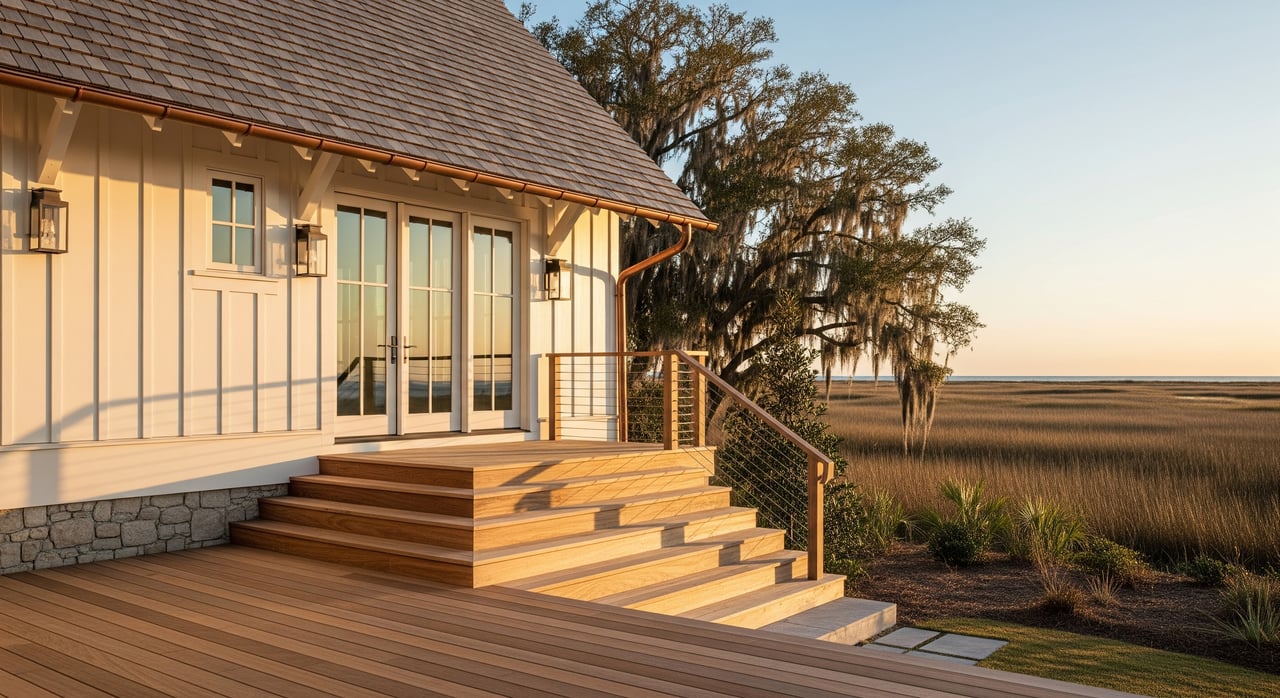
Fiber cement is a top performer in salt and humidity. It resists rot and insects, holds paint well, and comes in coastal-friendly profiles like shingles, lap, and board-and-batten. Properly maintained, it can deliver decades of service and a durable, premium impression.
Installation tips that matter to buyers and inspectors:
- Use stainless or hot-dipped galvanized fasteners rated for coastal exposure.
- Prime and seal all cut edges.
- Include a continuous water-resistive barrier with head and kickout flashing.
- Add a rainscreen gap for ventilation and faster drying.
Engineered wood siding
Engineered wood offers a warm, wood-like look with factory finishes. It is lighter and often easier to install. In coastal exposure, verify coastal warranty language and use stainless fasteners. Expect more upkeep than fiber cement over time.
Vinyl and PVC siding
Vinyl and PVC are low maintenance and budget friendly with many color options. In strong coastal sun, lower-quality products can fade or warp. Perceived quality varies, so choose higher-grade products and coastal-rated accessories.
Cedar and wood shingles
Nothing beats the authentic Lowcountry charm of real cedar. In salt and humidity, wood needs regular sealing or painting and vigilant maintenance to prevent rot and mildew. If you love the cedar look but want less upkeep, consider fiber-cement shingles.
Siding details buyers notice
- Continuous WRB, properly lapped
- Head, sill, and kickout flashing at roof and wall transitions
- Rainscreen ventilation for drying and stain reduction
- Corrosion-resistant fasteners and trim
These details prevent stains, swelling, and leaks, which keeps the exterior looking crisp for years.
Roofs buyers trust
Metal roofing
Standing seam or metal shingles offer excellent wind performance, long life, and quick water shedding. Coastal-grade coatings and substrates help resist chalking and corrosion. Concealed fasteners improve longevity and curb appeal.
For best results:
- Use assemblies rated for high wind uplift.
- Include a robust underlayment and proper ventilation.
- Document the roof’s ratings and warranty for buyers and insurers.
Architectural asphalt shingles
Architectural shingles can be a smart value if you choose high-wind-rated products and coastal underlayments. Specify algae-resistant treatments and reinforce eaves, valleys, and penetrations with peel-and-stick membranes. Expect a shorter service life than metal in harsh salt and sun.
Fortified standards
A Fortified Roof or Fortified Home designation signals enhanced wind resistance and water protection. It can improve buyer confidence and may help with insurance eligibility or discounts, depending on the insurer and policy.
Decks and porches built to last
Outdoor living is a big Pawleys Island selling point. Materials must shrug off moisture, sun, and salt.
Capped composite and PVC decking
Capped composites and solid PVC deliver low maintenance, color stability, and resistance to mold and splinters. Choose a textured, slip-resistant surface for wet conditions. Follow manufacturer spacing rules to handle expansion and drainage.
Tropical hardwoods and PT pine
Ipe and similar hardwoods are extremely durable and beautiful but require stainless fasteners and periodic oiling if you want to retain color. Pressure-treated pine offers lower upfront cost, though it needs regular sealing and can move, split, or weather faster in coastal exposure.
Railings and connectors
Hardware is where many decks fail at the coast. Use marine-grade solutions:
- Grade 316 stainless for exterior fasteners and exposed hardware
- Stainless or hot-dipped galvanized connectors approved for coastal use
- For glass railings, select coastal-rated hardware and designs that drain to avoid trapped saltwater
Drainage and flashing
Provide airflow beneath deck boards and porches. Flash and bolt deck ledgers to the home per code, and shield those connections with proper flashing to prevent rot.
Windows, doors, and hardware
Impact-rated protection
Impact-rated windows and doors are tested for windborne debris and help protect the envelope. They are a major selling point in hurricane-prone zones. If impact glazing is not feasible, code-compliant shutters can offer an alternative.
Energy performance
ENERGY STAR-rated windows for southern climates help manage cooling loads and comfort. Look for low-e coatings tailored to strong sun and high humidity.
Frames and finishes
Vinyl and fiberglass frames with thermal breaks perform well in coastal settings. If using aluminum, ensure a thermal break and durable coastal-grade finish to slow corrosion.
Fasteners and locks
Use grade 316 stainless exterior screws, bolts, and hinges wherever possible. For door hardware, choose heavy-duty, corrosion-resistant sets and protect entries with overhangs to reduce direct salt spray.
Trim, paint, and finishes
Rot-resistant trim
Replace exposed wood trim with fiber-cement or PVC trim boards where possible. These materials help prevent rot at corners, band boards, and window surrounds and reduce repaint cycles.
Coastal-grade paint
Select high-performance 100% acrylic exterior paints designed for UV and humidity resistance. Factory-finished siding and trim often extend the time between repaints and keep colors consistent.
Mold and mildew control
Even the best materials need cleaning. Use mildew-resistant caulks and coatings and plan a gentle annual wash to remove salt, pollen, and algae. Regular upkeep protects both looks and life.
Code, flood, and insurance basics
Elevation and flood details
Follow floodplain requirements for elevation, foundations, and flood vents where applicable. Elevating utilities and using appropriate floodproofing strategies can protect systems and improve insurability.
Wind load and connections
A continuous load path helps keep roof, walls, and foundation tied together in high winds. Hurricane straps, clips, and properly anchored connections are must-haves in coastal zones.
Documentation to keep
Serious buyers look for proof. Keep:
- Roof ratings, permits, and warranties
- Window and door impact certifications
- Decking and railing product data and fastener specs
- Any Fortified inspections or certificates
- Installation invoices and maintenance records
Quick upgrade roadmap
If you are prioritizing projects for resale over the next 12 to 24 months, use this checklist.
High impact, broadly appealing
- Replace worn roof with a high-wind-rated assembly, ideally metal or upgraded architectural shingles with enhanced underlayments.
- Install impact-rated windows or verified shutters.
- Refresh failing siding with fiber cement, and add a rainscreen and stainless fasteners.
- Upgrade decks and rails to capped composite or PVC with grade 316 hardware.
Smart supporting moves
- Swap vulnerable wood trim for PVC or fiber-cement trim.
- Repaint with coastal-grade acrylics and mildew-resistant caulks.
- Improve attic and soffit ventilation for roof longevity.
- Tune grading and drainage to reduce splash-back and wall staining.
Documentation
- Organize warranties, certifications, and contractor receipts in a digital folder for buyers.
Cost and ROI perspective
In coastal markets, buyers often pay a premium for proven durability and lower maintenance. Roofs, siding, windows, and decks are visible, testable upgrades that reduce future costs and risk. Cosmetic fixes help, but they rarely overcome concerns about leaks, rot, or corrosion.
When you can show resilient materials, documented installation, and thoughtful details like rainscreens and stainless fasteners, you signal quality. That confidence can translate to stronger offers and smoother inspections.
Final take
On Pawleys Island, the best resale stories come from exteriors that look timeless and stand up to salt, sun, and storms. Prioritize fiber-cement or well-specified cladding, a wind-rated roof, impact protection at openings, low-maintenance decks, and marine-grade hardware. Pair those choices with clean installation details and clear documentation, and you give buyers the durability and ease they want.
Ready to plan upgrades or position your home to win on the market? Work with Mitchell Adkins for construction-informed guidance and premium marketing that showcases every smart choice.
FAQs
What exterior siding is best for Pawleys Island resale?
- Fiber cement often delivers the best balance of durability, low maintenance, and classic coastal style, especially when installed with a rainscreen and stainless fasteners.
Do I need impact windows for a Pawleys Island home?
- Impact-rated windows are a strong selling point in windborne debris regions and can support insurance eligibility, though exact requirements and incentives vary by location and insurer.
Will a metal roof help my home sell faster?
- A coastal-grade metal roof with documented wind ratings, proper underlayment, and ventilation is widely viewed as premium and durable, which attracts coastal buyers.
What decking materials perform best near salt air?
- Capped composite and solid PVC are top choices for low maintenance and color stability, while ipe offers premium longevity with more upkeep; use grade 316 stainless hardware.
How can I reduce mildew and staining on my exterior?
- Choose materials that resist moisture, apply high-quality acrylic paint, include a rainscreen behind siding, and wash annually to remove salt, pollen, and algae.
Which fasteners should I specify for coastal projects?
- For exterior exposure, grade 316 stainless steel is recommended for screws, bolts, and hardware; stainless or hot-dipped galvanized connectors should be rated for coastal use.