Salt, sun, and storms can be tough on elevated coastal homes. If you own on Pawleys Island, you know the beauty comes with maintenance you cannot put off. The good news is that a simple, steady plan keeps small issues from turning into big repair bills or sale delays.
In this guide, you will learn what to watch on your piles and framing, how to prevent corrosion, what is allowed under your home, and the maintenance schedule that protects value. You will also see what to document so buyers feel confident when you decide to sell. Let’s dive in.
Why elevated homes need extra care
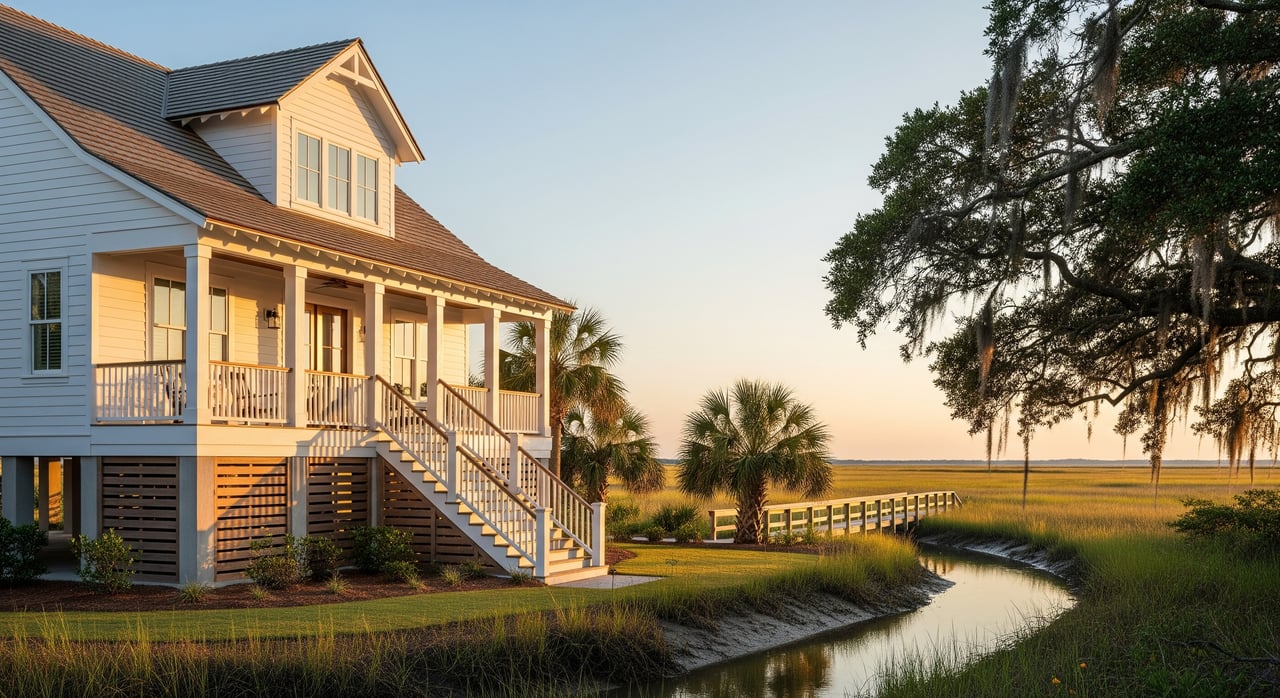
Pawleys Island homes sit in a salt-spray environment, which speeds up corrosion on metal and moisture damage in wood. Elevated structures also face unique forces from tides, waves, and wind that can loosen connectors or undermine support soils.
A focused maintenance routine helps you catch early signs of trouble. You will also feel more confident during inspections and insurance conversations when you can show thorough, consistent care.
Know your foundation
Your piles and connections do the heavy lifting. Spend most of your inspection time here.
Timber piles: common risks
Many local homes use treated southern yellow pine piles. Watch for decay near the splash or tidal zone, especially at or just above the mean high-water line. Probe any soft wood, look for splitting, and note missing or loose cross-bracing.
If your piles sit in tidal water, marine borers can attack untreated or damaged areas. Any sign of channeling, grooves, or unusual softening calls for a professional look.
Concrete piles and caps
Concrete performs well, but salt can corrode embedded rebar if the cover is thin or damaged. Look for spalling, cracks near pile caps or grade beams, and any exposed, rusting steel. Document locations and size of defects so a professional can evaluate.
Steel piles
Steel can lose section thickness from pitting and rust where coatings fail. Pay close attention to the splash zone and any areas with scraped or chipped coatings. Record the extent of visible corrosion and compare year to year.
Scour and settlement
Storms can wash away soils around piles. Signs include visible gaps where the pile meets the ground, leaning posts, or differential settlement that shows up as uneven floors or stair landings. If you see movement, pause use of affected areas and call a professional.
Connector checks
Look closely at pile-to-beam connections, bolts, and plates. You are checking for gaps, loose or missing washers, bent plates, and corrosion at bolt heads. Inside the framing, look for sagging decks or stairs, missing cross-bracing, and any sign of water intrusion near ledger boards.
Stop corrosion before it starts
Salt and modern pressure-treated lumber can shorten the life of ordinary steel fasteners. Choosing the right materials and keeping water out of key joints makes a big difference.
Choose the right hardware
- Prefer Type 316 stainless for exposed fasteners and connectors within salt-spray exposure or near the shoreline. It is more corrosion resistant than Type 304.
- Hot-dip galvanized fasteners and hangers are acceptable in many locations, but they will not last as long as 316 stainless in direct salt spray. Avoid thin electro-galvanized finishes.
- With ACQ and similar treated lumber, use 316 stainless or hot-dip galvanized hardware that the manufacturer rates as compatible.
- Follow connector manufacturer guidance and choose coastal-rated finishes.
Deck and ledger must-dos
- Use through-bolts or structural lag screws at ledgers. Do not rely only on nails.
- Keep ledger flashing intact and clean. Flashing failure is a top cause of rim-joist rot and deck problems.
- Inspect joist hangers and connector nails or screws. Replace corroded components with stainless or coastal-rated galvanized parts.
- Encourage drainage and airflow so water cannot sit against wood.
Quick maintenance habits
- Rinse salt residue off accessible hardware during seasonal cleanups.
- Replace isolated corroded fasteners as soon as you notice them. Localized corrosion can advance quickly.
Enclosures and flood safety
Pawleys Island participates in the National Flood Insurance Program. That means any space below the Base Flood Elevation has strict limits and details you must follow.
Do’s below BFE
- Use only unconditioned, non-livable space unless designed and certified to the required protection level.
- Provide code-compliant flood openings sized and placed per NFIP and FEMA guidance so water pressure can equalize.
- Use breakaway, non-structural walls that fail in a storm without pulling on the main structure.
- Elevate HVAC equipment, water heaters, and electrical panels above BFE plus any local freeboard requirement, or place them on approved platforms.
- Choose flood-resistant materials that can be cleaned and dried.
Don’ts below BFE
- Do not create conditioned living areas under the home unless they meet all elevation or floodproofing requirements.
- Do not block or undersize flood vents.
- Do not install flooring or finishes that trap moisture, such as carpet or particleboard.
- Do not add permanent structural stairs or elements that could be undermined by scour without proper design.
Practical enclosure tips
- Keep under-house areas easy to access for inspection and drying. Open lattice or ventilated designs help when allowed by code.
- Consider removable partitions where permitted instead of permanent walls.
Your recurring maintenance plan
Regular, simple checks prevent rare, expensive repairs. Use this schedule as a starting point, then adjust based on your home’s exposure and past findings.
Monthly quick walk
- Walk under and around the home. Look for pooling water, leaks, loose deck boards, hanging wires, or obvious corrosion.
- Clear debris around piles and caps.
- Test stairs and handrails for looseness.
Seasonal care: spring and fall
- Inspect ledger flashing, visible hangers, and exposed fasteners.
- Rinse salt residue from hardware you can reach safely.
- Clean gutters and downspouts so water is carried away from piles and footings.
After major storms
- Do a careful visual check for leaning or bowed piles, missing fasteners, cracked caps, scour, or displaced fill.
- Photograph and document any damage. If you see movement or severe corrosion, contact a structural or marine professional before further use.
Annual professional review
- Hire a qualified inspector with coastal experience to examine piles, caps, bracing, ledger connections, and utility elevations.
- Check and test flood vents. Make sure they are clear and functioning.
Every 3 to 5 years
- Schedule an underwater or close-up inspection of piles in the splash zone and below, especially for tidal exposure. Use a marine contractor or dive team.
- Ask for a structural review if the home is older or if prior repairs were made.
Simple owner checklist
- Under-house: any standing water, missing bracing, or soft wood?
- Piles and posts: leaning, cracking, spalling, unusual marine growth?
- Decks and ledgers: intact flashing, loose boards or hangers, corroded fastener heads?
- Utilities: HVAC, water heater, electrical panels elevated above required levels, any sagging or exposed lines?
- Enclosures: flood vents clear, any unpermitted changes below the home?
When to call a pro
Bring in help right away if you see any of the following:
- Visible leaning, sagging, or movement in piles, decks, or stairs
- Significant corrosion or section loss on steel or connectors
- Cracked or spalled pile caps with exposed rebar
- Soft or decayed ledger or loss of connection security
- Signs of scour that could undermine support soils
Recommended pros include a coastal or marine structural engineer, a licensed piling or marine contractor, a general contractor experienced with elevated homes, and licensed electricians, HVAC pros, and plumbers who understand elevation and floodproofing requirements.
Pawleys Island specifics
Before you enclose space or plan repairs, check your flood map panel, zone, and Base Flood Elevation. Georgetown County can have local amendments to NFIP standards and may require freeboard above BFE. Also confirm any Pawleys Island ordinances related to dune or coastal setback lines and tree or vegetation rules that could affect your project.
When in doubt, contact the county building and floodplain office before starting work. Getting it right up front protects safety, insurability, and resale value.
Document for resale confidence
A clean paper trail helps buyers and insurers see care and quality. Keep:
- A maintenance log with dates, notes, and photos
- Receipts and permits for pile, foundation, deck, or enclosure work
- Inspection reports from engineers or marine contractors
- As-built drawings that show finished floor elevations, flood vent locations, and utility elevations
If you plan to list soon, consider a pre-listing inspection focused on the foundation, decks, and under-house utilities. Addressing issues or getting estimates now reduces negotiation friction later.
Final thoughts
Owning an elevated home on Pawleys Island can be low stress when you follow a clear plan. Focus on piles and connections, choose corrosion-resistant hardware, follow flood rules below BFE, and document everything. That approach protects your safety, your enjoyment, and your home’s value.
If you want a construction-informed perspective on what to fix now versus later, or you are planning a sale and want to present your home with confidence, reach out. Unknown Company can guide you through inspections, documentation, and a smooth listing process. Let’s connect — see your home’s value or start your search.
FAQs
What fasteners work best near the ocean?
- In salt-spray exposure, Type 316 stainless offers better corrosion resistance than Type 304. Hot-dip galvanized hardware can work in some locations but will not match 316 in direct exposure. Always use coastal-rated finishes compatible with treated lumber.
How often should I inspect piles on Pawleys Island?
- Do a quick monthly walk, a seasonal spring and fall check, an annual professional review, and an underwater or close-up splash-zone inspection every 3 to 5 years or after major storms.
Can I finish living space under my elevated home?
- Not below the Base Flood Elevation unless the space is properly elevated or floodproofed per local code and NFIP standards. Use only unconditioned, non-livable enclosures with code-compliant flood openings and breakaway walls where required.
What should I look for after a storm surge?
- Check for scour around piles, leaning posts, cracked pile caps, missing fasteners, displaced fill, and blocked flood vents. Photograph damage and call a qualified professional if you see movement or severe corrosion.
How does documentation help when I sell?
- A maintenance log, permits and receipts, professional inspection reports, and as-built elevation details reduce buyer uncertainty, speed negotiation, and can help avoid contract delays.