Most of my luxury clients this year are not first-time beach visitors. They are people from New York, New Jersey, Pennsylvania, and Connecticut who have vacationed on the Grand Strand for a decade and finally ran the math on staying. If you are thinking about moving to Myrtle Beach SC from the Northeast, the numbers are a big part of why, but they are not the whole story. The lifestyle, the tax treatment, and the kind of home your money buys here all change the picture.
I came to real estate from custom home building, which ended after an accident changed my career. That background means I look at a coastal house differently than most agents. I notice build quality, how a home was sited against wind and water, and where a seller cut corners. For a Northeast buyer spending serious money sight-unseen on a second home or a retirement home, that eye matters. This guide is what I tell those clients before they ever get on a plane.
Why so many Northeast buyers are heading to the Grand Strand
The Myrtle Beach area led the country for inbound moves in early 2026. The Myrtle Beach to Wilmington corridor ranked first among major metros for move-ins during the first quarter, with close to four people arriving for every one who left. New York and New Jersey consistently rank among the top states sending people here, alongside Pennsylvania, Virginia, and Ohio.
The crowd is not only retirees, either. Roughly a third of new arrivals are 65 and older, but nearly the same share are 45 to 64. That second group is the one I work with most: pre-retirees buying now, often using the home part-time, then making it primary once they stop working.
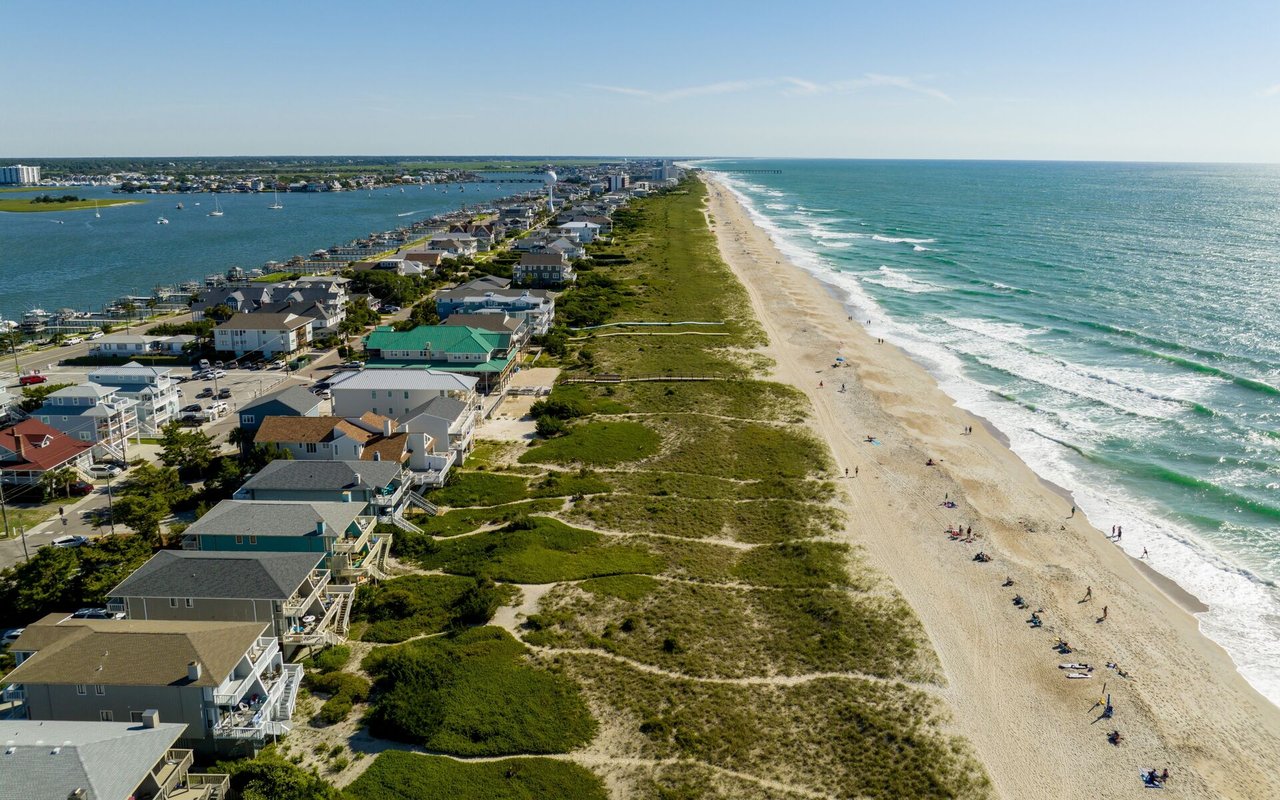
What pulls them is a combination that is hard to find together. Sixty miles of coastline, more than 200 sunny days a year, a deep golf bench, and a cost structure that makes coastal Florida look expensive by comparison.
The tax math that actually moves the needle
This is the part Northeast buyers underestimate, and it is where most relocation guides stay vague. The savings are real, but they depend on getting the details right.
Property taxes and the 4 percent rule
South Carolina taxes owner-occupied primary residences at a 4 percent assessment ratio. A second home or investment property is taxed at 6 percent. That gap is large, and it is the single most common thing buyers get wrong when they budget.
On a $500,000 primary residence in the Myrtle Beach area, the annual property tax bill often lands somewhere in the low thousands. Compare that to a similarly valued home in Nassau County or northern New Jersey, where five figures a year is normal. The contrast is not subtle.
If you are buying a second home first and converting it to primary later, plan for the 6 percent rate up front, then file for the 4 percent ratio once it becomes your legal residence. I walk clients through that timing so there are no surprises on the first tax bill.
Income and retirement taxes
South Carolina does not tax Social Security benefits at all. The state also lets residents 65 and older deduct up to $10,000 of qualified retirement income per person, with a smaller deduction under 65. There is no state estate tax and no inheritance tax, and the top state income tax rate came down for 2026. For a retiree leaving a high-tax Northeast state, the year-one difference can fund a lot of golf.
Buyers 65 and older who have lived in South Carolina for a full calendar year can also claim a homestead exemption on the first $50,000 of fair market value on their legal residence. You can read the current rules directly from the South Carolina Department of Revenue before you build your budget.
What your money buys on the Grand Strand
A Northeast buyer trading a $1.2 million suburban house often finds that the same budget here buys a larger, newer home with water or golf access and far lower carrying costs. The 2026 market has also tilted in buyers' favor. Inventory across the area is up sharply year over year, and the months of supply in many segments has moved into more balanced territory after several frantic seller-driven years. The luxury tier above roughly $1 million runs on its own clock, with a smaller buyer pool and longer market times, which means a patient, well-advised buyer has real negotiating room right now.
A few communities come up again and again with my relocating clients:
- Grande Dunes. The Grand Strand's flagship luxury community, spanning about 2,200 acres on both sides of Highway 17. It has a private Ocean Club, two championship golf courses, and a 126-slip deepwater marina that takes yachts up to 120 feet. Gated enclaves inside it range from golf-focused Members Club to waterfront sections along the Intracoastal Waterway.
- Carolina Forest. Inland, newer construction, more square footage per dollar, and strong schools. The trade-off is a 15 to 20 minute drive to the sand. Popular with families and pre-retirees who want space.
- Market Common. A walkable, mixed-use neighborhood built on the former air force base, with restaurants, parks, and a theater within a stroll. It draws active retirees and remote professionals who do not want to drive for everything.
- The north end. Cherry Grove and the Ocean Drive section of North Myrtle Beach for buyers who want classic beach proximity, fishing, and a tighter coastal feel.
You can see how these areas fit together on my Myrtle Beach neighborhood guide, and when you are ready to look at real inventory, I keep a live, mapped feed of luxury homes for sale in Myrtle Beach so you are seeing active and coming-soon listings, not stale ones.
The coastal costs Northeast buyers miss
Here is where my building background earns its keep. The sticker price and the tax savings are easy to find online. The carrying costs specific to coastal homes are not, and they can reshape a budget.
Insurance is the big one. Between wind, hail, flood, and standard homeowner coverage, a coastal home can run a few thousand to well over five thousand dollars a year depending on location, elevation, and construction. A home a mile inland and a home on a tidal creek are different insurance animals. Before you fall for a view, get a real quote.
Construction quality varies more than buyers expect, especially in homes built quickly during boom years. I look at how a home handles wind load, how the exterior was detailed against salt air and moisture, the age and type of roof, and whether the site drains the way it should. On waterfront and Intracoastal homes I pay attention to bulkheads, docks, and elevation. These are the things that turn into expensive surprises after closing, and they rarely show up in listing photos.
HOA fees also swing widely. A golf-and-marina community carries different dues than a quiet inland enclave, and the amenities you are paying for should match how you will actually live. I help clients price that out honestly rather than guessing.
Getting here, and getting around
Myrtle Beach International Airport sits about two miles from downtown and offers more than 50 nonstop destinations, with carriers including American, Delta, United, Allegiant, and Breeze. For Northeast families who want kids and grandkids to visit easily, that nonstop access is a genuine deal-maker. Direct flights to the New York and Philadelphia areas make a second home far more usable than one that requires a connection.
Day to day, the Grand Strand is a car place, but distances are short. Most of my clients find they drive less than they did up north, and rarely in snow.
FAQ for Northeast buyers
Is Myrtle Beach a good place to retire?
For many Northeast retirees, yes. The combination of no tax on Social Security, retirement income deductions, low property taxes on a primary residence, and a milder climate is hard to beat. The main things to weigh are summer heat and humidity, hurricane season planning, and choosing a community that matches your pace.
What are the best Myrtle Beach neighborhoods for Northeast transplants?
It depends on what you want. Grande Dunes for full luxury amenities and water or golf access, Market Common for walkability, Carolina Forest for space and value, and the north end for classic beach living. I match clients to areas based on budget, how often they will be here, and whether golf, boating, or beach access is the priority.
How much are property taxes on a Myrtle Beach luxury home?
Far less than the Northeast. A primary residence is assessed at 4 percent, a second home at 6 percent. On a $500,000 primary home the annual bill commonly lands in the low thousands. Get an exact estimate for any specific property before you budget, since the rate and any exemptions depend on use and your age.
Should I buy a second home first or move full-time?
Plenty of my clients buy as a second home, use it part-time, then convert to primary later. That is fine, but budget for the 6 percent assessment ratio while it is a second home and file for the 4 percent rate once it becomes your legal residence. Timing the change correctly saves real money.
Let's map your move
Moving to Myrtle Beach SC from the Northeast is one of the smarter financial and lifestyle trades I see people make, but the difference between a great purchase and a costly one comes down to the details: the right community, an honest read on construction and insurance, and a tax plan that fits your timeline. That is exactly where I help.
If you are starting to think about a move, reach out for a straightforward conversation about budget, neighborhoods, and what your money buys here. Start with my 2026 Myrtle Beach luxury relocation guide or call me directly at (803) 517-3536. I will give you a real assessment, not a sales pitch.
Mitchell Adkins, Founding Agent, SERHANT. Precision Marketing. Premier Results.